
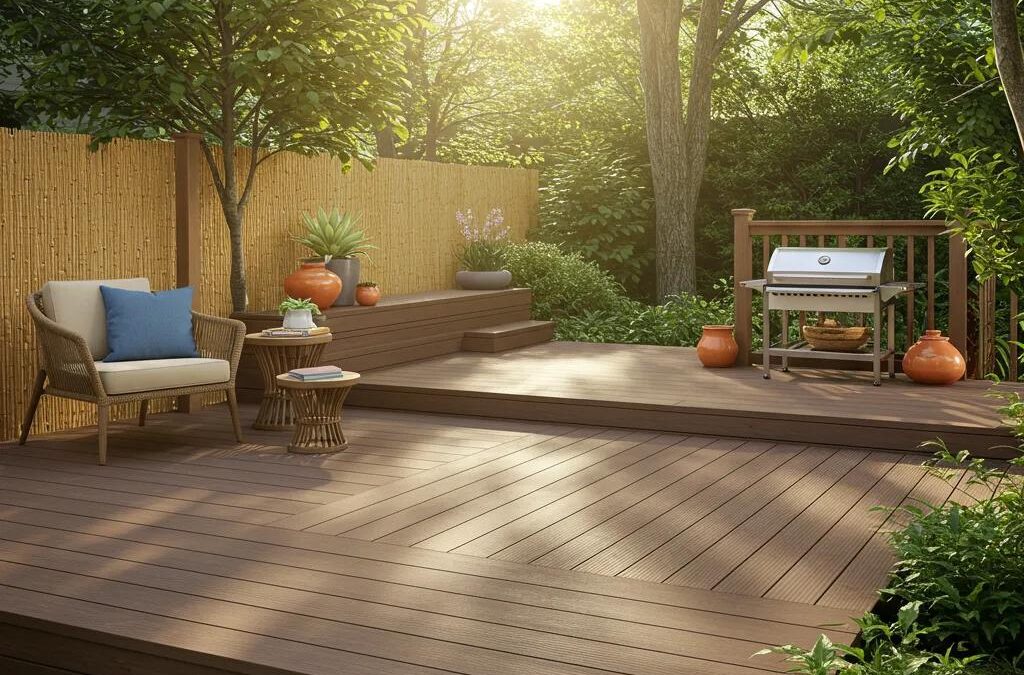
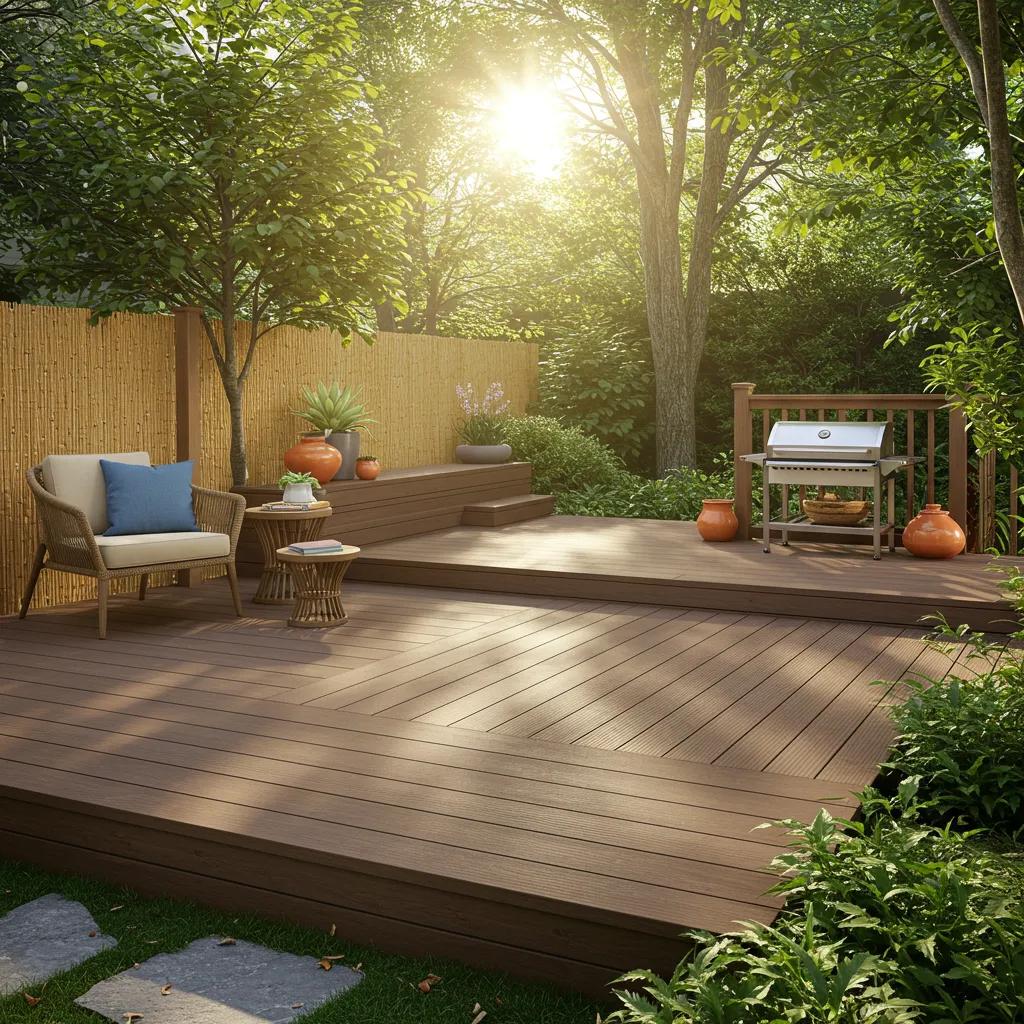
Your Guide to Sustainable Decking: Top Eco-Friendly Materials Explored
Building a sustainable deck means selecting materials and methods that minimize environmental impact while still creating a stunning, long-lasting outdoor space. This comprehensive guide dives into the leading eco-friendly decking options—including composite, bamboo, recycled plastic lumber, innovative thermally modified woods like Accoya, and responsibly sourced FSC-certified or reclaimed timber. We’ll help you weigh performance, long-term costs, and environmental benefits for your specific project. Homeowners often grapple with balancing initial investment, ongoing maintenance, and a material’s carbon footprint; this guide breaks down how each option performs in these areas, with a special focus on practical considerations for Canadian climates. Get ready to discover essential sustainability criteria, clear comparisons of lifespan and upkeep, plus handy checklists for climate, aesthetics, and installation choices.
To make your journey easier, this article is structured into four key sections: we’ll start with a deep dive into the top material options, complete with a handy comparison table; next, we’ll explore maintenance and longevity, featuring an upkeep table; then, we’ll highlight the significant environmental benefits with real-world examples; and finally, we’ll cover crucial decision factors, including cost-of-ownership estimates and expert installation guidance.
Discover the Top Sustainable Deck Materials Available Today
Sustainable deck materials are those thoughtfully chosen to reduce resource depletion, lower lifetime emissions, or divert waste, all while meeting your structural and aesthetic needs. The best options often combine renewable resources, recycled content, or innovative processes that extend service life, ultimately reducing how often you need to replace your deck and lowering its overall environmental footprint. When you’re comparing materials, it’s smart to evaluate their composition, typical lifespan, and routine maintenance requirements to truly understand their real-world suitability and long-term value. Below is a quick comparison to give you an at-a-glance view of the most popular sustainable decking choices.
Here are our top sustainable decking materials, with a quick reason why they stand out:
- Composite decking: A smart blend of recycled plastic and wood fibres, it helps reduce landfill waste and offers incredibly low maintenance.
- Bamboo decking: This rapidly renewable grass, especially strand-woven varieties, delivers impressive strength from a sustainable source.
- Recycled plastic lumber: Transforms HDPE/LDPE waste into rot-resistant, structural boards that promise an exceptionally long service life.
- Thermally modified wood (e.g., Accoya): Wood treated with heat for enhanced stability and extended durability, without harsh chemicals.
- FSC-certified & reclaimed wood: Ethically sourced or repurposed timber that eases pressure on our precious virgin forests.
This list highlights the leading contenders in sustainable decking and sets the stage for a more detailed look at their attributes in the comparisons that follow.
Why Is Composite Decking a Go-To Eco-Friendly Choice?
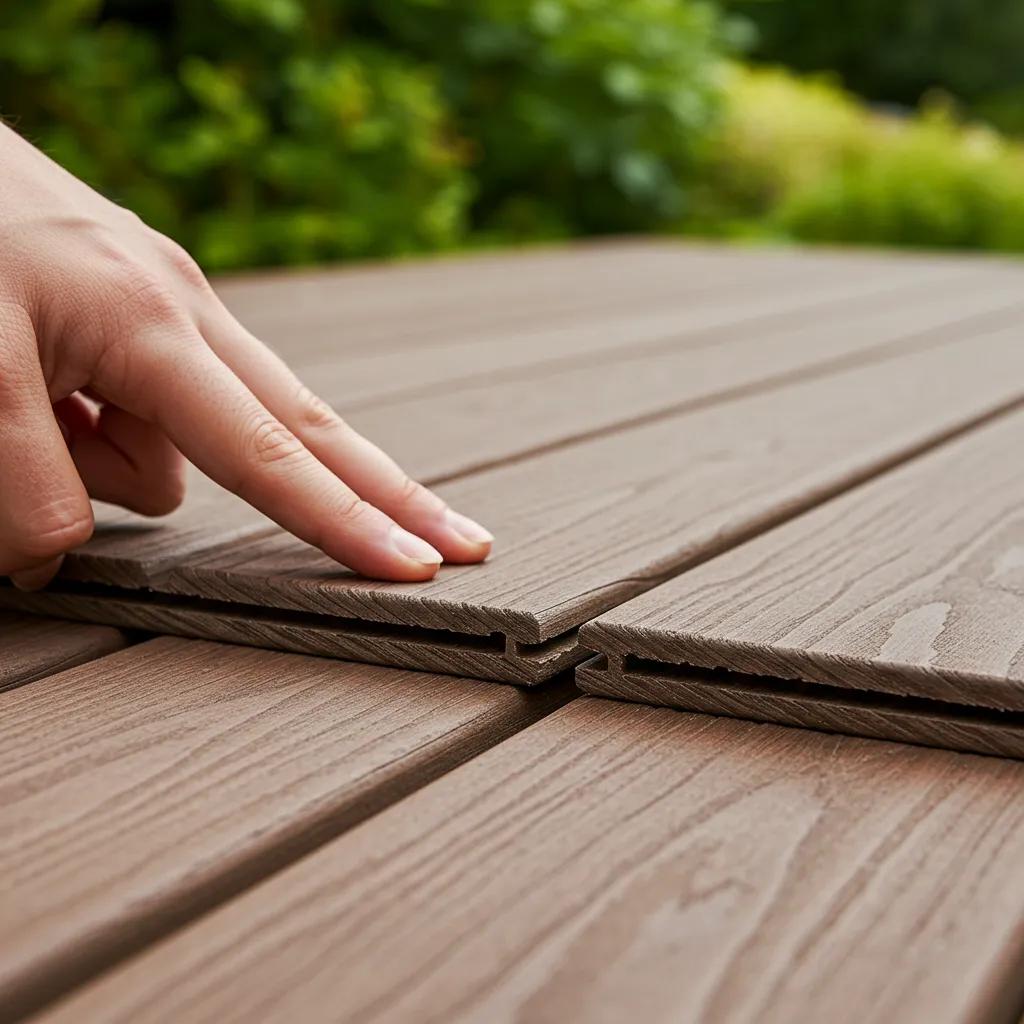
Composite decking, a clever wood-plastic composite, blends recycled plastic (often HDPE) with reclaimed or sustainably sourced wood fibres. This innovative combination means less demand for new timber and fewer plastics ending up in landfills. The resulting material is wonderfully resistant to rot and splintering, significantly cutting down on maintenance tasks like sanding and regular sealing. Plus, many come with warranties that speak to their impressive longevity. While manufacturing does require energy and end-of-life recycling can be complex, many manufacturers are now reporting substantial recycled content and pioneering closed-loop initiatives. Understanding these key components—the plastic matrix, wood fibres, and protective cap layers—empowers homeowners to compare options based on their recycled content and recyclability.
How Does Bamboo Decking Offer Both Renewable Beauty and Durability?
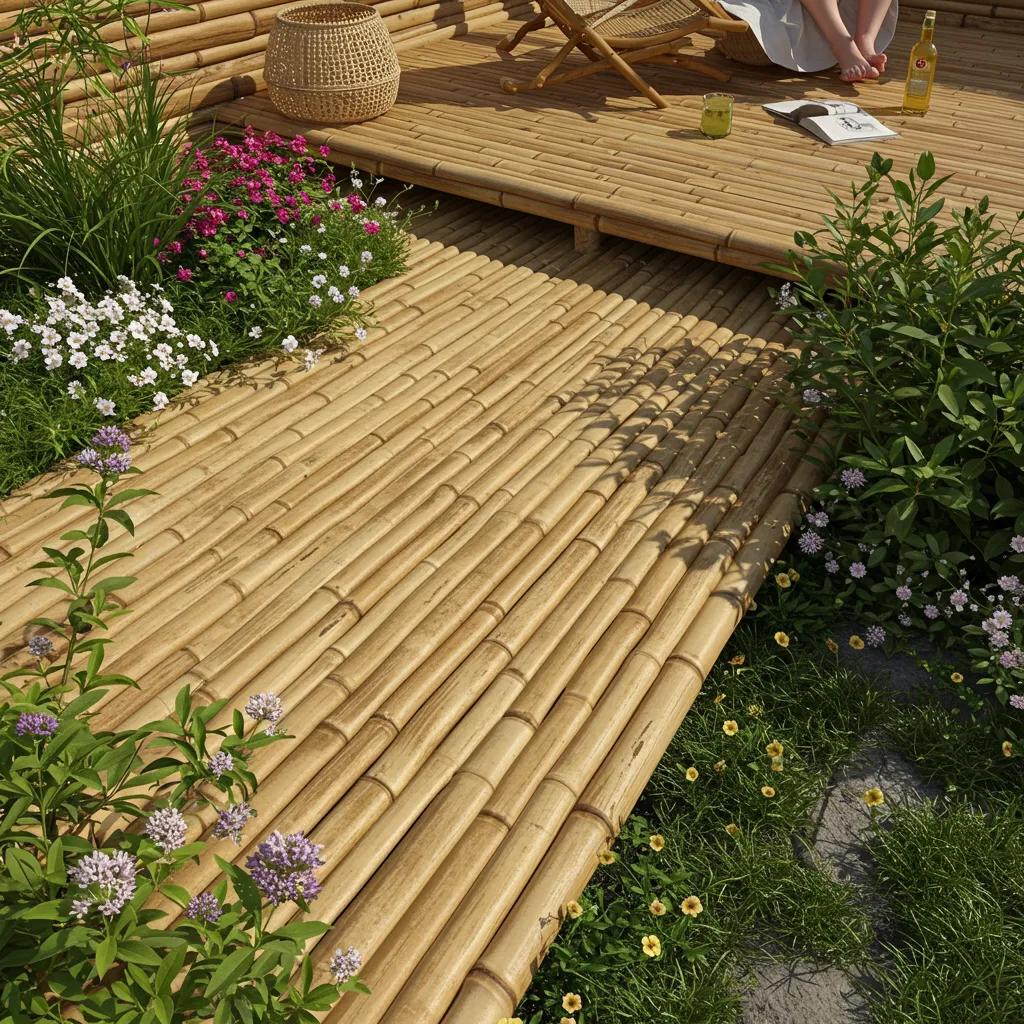
Bamboo decking, particularly the strand-woven variety, is densified and bonded to achieve strength that often rivals traditional hardwoods. What makes it truly special is its reliance on bamboo, a rapidly renewable grass that regenerates far quicker than trees. Its incredible renewability and carbon uptake during growth are clear sustainability wins. However, it’s worth noting that processing and long-distance transport can increase embodied emissions if not carefully managed. With proper treatment and finish, bamboo resists moisture and UV rays, boosting its dimensional stability and surface longevity. Look for certifications and transparent suppliers to ensure ethical sourcing. For many projects, bamboo offers a fantastic, lower-forestry-impact option, especially when suppliers provide regionally appropriate products and clear documentation.
Why Should You Consider Recycled Plastic Lumber for a Deck That Lasts?
Recycled plastic lumber is ingeniously crafted from post-consumer plastics like HDPE and LDPE, reformed into dense, structural profiles. This material is a champion against rot, insects, and moisture, making it an ideal choice for coastal or consistently wet climates. Its lifecycle often spans decades with virtually no maintenance—no staining or sealing required! While it might retain heat more than other materials and offer a slightly narrower range of surface textures, these are often minor trade-offs. End-of-life recycling potential varies by product formulation and local programs, so choosing products with documented recycled content and manufacturer take-back schemes truly strengthens its circularity. This material’s exceptional durability means fewer replacements, significantly lowering the lifetime environmental burdens associated with manufacturing and transport.
What Are the Unique Benefits of Thermally Modified Wood, Like Accoya?
Thermally modified wood undergoes a special heat and steam treatment that fundamentally alters its cell structure. This process dramatically boosts its durability, dimensional stability, and resistance to decay, all without the need for chemical preservatives. Products like Accoya utilize precise modification processes and often come with strong sustainability credentials, thanks to their extended service life. This longevity can effectively offset the initial embodied energy by reducing the need for frequent replacements. The enhanced stability means far less cupping, swelling, or shrinkage, even in variable climates, which translates to less maintenance and a finish that lasts longer than untreated wood. Choosing thermally modified wood allows you to enjoy the natural beauty and carbon-sequestering benefits of wood, combined with significantly improved lifecycle performance.
How Do FSC-Certified and Reclaimed Woods Champion Ethical Decking?
FSC-certified wood provides a guarantee of responsible chain-of-custody and forest-management practices that prioritize conservation, support local communities, and ensure sustainable harvest levels. Reclaimed wood, on the other hand, ingeniously diverts existing timber from waste streams, reducing the demand for new logging. Both approaches significantly contribute to a lower net forest impact: FSC through its regulated, ethical sourcing, and reclaimed wood by extending the life of existing materials and preserving their embodied carbon. While availability can vary, and reclaimed pieces might require some extra processing or exhibit aesthetic variations, the environmental benefits often outweigh these considerations. When properly verified, these wood choices beautifully align structural needs with vital conservation and circular-economy principles.
| Material | Material Composition | Typical Lifespan | Maintenance Level | Sustainability Notes |
|---|---|---|---|---|
| Composite decking | Recycled plastic + wood fibers (WPC variants) | 20–30+ years | Low (periodic cleaning) | Diverts plastic, reduces new timber demand |
| Bamboo decking | Strand-woven bamboo with adhesives | 15–25 years* | Medium (staining/sealing recommended) | Rapidly renewable; transport impacts vary |
| Recycled plastic lumber | HDPE/LDPE recycled plastics | 25–50+ years | Low (wash occasionally) | High landfill diversion; variable recyclability |
This table offers a concise summary of material composition and key sustainability attributes, helping you quickly grasp the primary choices. Remember that actual lifespans can vary based on climate and specific product specifications.
Sustainable Deck Materials: A Look at Maintenance and Longevity
Understanding maintenance requirements and expected service lifespans is crucial, as these factors directly influence your total cost of ownership and the environmental impact through replacement cycles. Low-maintenance materials save you ongoing labour and reduce the need for chemical treatments, while options requiring periodic sealing or refinishing come with recurring costs and potential environmental trade-offs from coatings. Warranties, anticipated replacement intervals, and how well a material stands up to your local climate all shape realistic lifespan estimates. The table below compares routine tasks and expected intervals to help you plan effectively. Remember, consistent, simple maintenance also helps preserve aesthetics and performance, often extending the practical lifecycle well beyond manufacturer-stated figures.
Here’s a quick look at the key differences between low-maintenance and more upkeep-intensive options:
- Composite & plastic lumber: Enjoy minimal upkeep, mostly involving simple cleaning and occasional mould control.
- Thermally modified & bamboo: Expect moderate upkeep; periodic oiling or sealing can beautifully preserve their finish.
- FSC-certified & reclaimed wood: These options require variable upkeep, often needing regular inspections and refinishing.
These contrasts are designed to guide your cost-of-ownership expectations and help you pinpoint materials that perfectly match your desired maintenance commitment.
| Material | Annual Maintenance Tasks | Expected Replacement Interval | Typical Warranty |
|---|---|---|---|
| Composite decking | Cleaning, rinse to remove debris, inspect fasteners | 20–30+ years | 10–25 years (manufacturer dependent) |
| Recycled plastic lumber | Wash occasional dirt, check for fastener issues | 25–50+ years | 10–25 years |
| Thermally modified wood | Re-oil or recoat every 2–5 years, inspect for wear | 20–30 years | 10–20 years |
This table clearly illustrates how maintenance effort correlates with practical lifespan; generally, fewer annual tasks mean longer replacement intervals.
What Makes Composite and Plastic Decking So Low Maintenance?
Composite and recycled plastic decking significantly reduce routine maintenance because they naturally resist rot, insect damage, and surface splintering. This eliminates the frequent sanding and staining cycles often associated with untreated wood. Typical upkeep involves simple periodic sweeping and an annual or biannual wash with mild detergent, plus targeted mould removal in shaded areas. This keeps lifecycle costs and labour remarkably low. While darker composite surfaces might retain heat and some fading can occur over many years, these are noted limitations that can influence your finish choices and board selection. Understanding these fantastic maintenance benefits helps clarify why many homeowners are happy to accept a slightly higher upfront investment for significantly reduced long-term care.
How Durable Are Bamboo and Thermally Modified Wood Decks?
Bamboo and thermally modified woods achieve their impressive durability through specialized manufacturing processes: strand-woven densification for bamboo and heat/steam modification for thermally treated wood. Both methods significantly enhance hardness and dimensional stability. In challenging climates common in Canada—think wet conditions, freeze-thaw cycles, or high UV exposure—proper finishing and meticulous installation details (like adequate drainage, ventilation, and protective coatings) are absolutely crucial for optimal performance. With the right treatment and upkeep, these materials can rival or even surpass the longevity of traditional hardwoods, though they do require modest periodic maintenance to preserve their surface integrity. Ultimately, performance hinges on supplier quality, processing methods, and regional installation best practices.
What Maintenance Does FSC-Certified and Reclaimed Wood Typically Require?
FSC-certified and reclaimed wood generally require maintenance similar to conventional wood. This includes sealing or staining at regular intervals to protect against moisture and UV damage, routine inspections for fasteners, and localized repairs, plus refinishing as surfaces naturally wear. Reclaimed wood, in particular, might exhibit variable density, old fastener holes, or mixed species characteristics that necessitate initial refurbishment and occasional targeted repairs; planning for these unique variables will greatly improve long-term performance. Sticking to a schedule of visual inspections and preventative sealing helps maintain both their beautiful appearance and structural soundness, supporting both resale value and a prolonged service life.
Unpacking the Environmental Benefits of Sustainable Deck Materials
Choosing sustainable decking materials makes a real difference, contributing significantly to environmental goals by reducing the demand for virgin timber, diverting waste plastics from landfills, and lowering lifecycle emissions through extended service life. Many of these materials naturally sequester carbon during their growth (like wood and bamboo) or cleverly reuse carbon-based waste streams (such as recycled plastics). Plus, longer-lasting decks mean fewer replacements and the associated manufacturing emissions over many decades. To get the full picture, it’s important to assess embodied carbon, renewability, and end-of-life strategies, not just the initial impacts. Below, we’ll explore the concrete ways each material type delivers environmental benefits and where potential trade-offs might occur.
Here are the major environmental benefits, in brief:
- Waste diversion through recycled plastics dramatically reduces landfill burden and transforms post-consumer materials into valuable products.
- Renewable sourcing, like bamboo and FSC-certified wood, actively supports carbon sequestration and sustainable harvest cycles.
- Life-extension technologies (such as thermal modification and composite durability) reduce the frequency of replacement, significantly lowering lifetime emissions.
These benefits often multiply when you combine them with local sourcing, responsible finishing products, and installer practices that prioritize reuse and recycling.
How Do Composite Decks Help Reduce Plastic Waste and Forest Impact?
Composite decks cleverly combine recycled plastic feedstocks with wood fibres to create incredibly durable boards. This innovative approach redirects post-consumer plastics into long-lasting products and significantly reduces the demand for virgin timber. By extending the service life of your deck and cutting down on maintenance-driven replacements, composites can lower the cumulative material throughput over decades compared to shorter-lived alternatives. While manufacturing energy intensity and end-of-life recycling limitations are considerations, choosing composites with higher recycled-content claims and manufacturer take-back programs truly strengthens their overall circularity. Recent industry reports confirm that many leading composites contain measurable percentages of recycled content, making a tangible contribution to landfill diversion metrics.
Why Is Bamboo Celebrated as a Rapidly Renewable Resource?
Bamboo’s impressive growth cycle—often reaching maturity within just 3–7 years, compared to decades for many trees—makes it an exceptionally rapidly renewable structural material. This fast regrowth supports frequent harvests without the need for replanting and contributes significantly to carbon sequestration when processed into durable products like strand-woven decking. However, it’s important to consider processing energy, adhesive systems, and transport from production regions, as these can affect net emissions. Sourcing transparency and certification help ensure lower embodied impacts. When produced responsibly, bamboo can be a truly compelling, low-forestry-impact option among decking materials.
What’s the Carbon Footprint Story for Thermally Modified and FSC-Certified Woods?
Thermally modified woods do incur added processing energy during their treatment, but this investment pays off with an extended service life and improved dimensional stability. This enhanced longevity can effectively offset the initial embodied energy through fewer replacements and reduced maintenance needs. FSC-certified wood, on the other hand, guarantees managed harvests that actively preserve forest carbon stocks and biodiversity, thereby reducing net emissions associated with irresponsible logging. When comparing embodied carbon qualitatively, the increased durability and ethical sourcing of these options frequently lead to lower lifetime emissions than repeatedly replacing lower-cost materials. For precise, project-level assessments, we always recommend consulting authoritative lifecycle data.
How Does Reclaimed Wood Make a Big Impact on Waste Reduction?
Reclaimed wood is a fantastic choice because it diverts existing timber from demolition waste streams, giving new life to the embodied carbon and craftsmanship of older materials. This smart reuse avoids the need for new logging and new manufacturing emissions. Using reclaimed boards for your decking not only preserves unique character but also reduces pressure on contemporary lumber supplies, all while championing circular-economy principles. While limitations include variable availability and initial refurbishment needs, the environmental upside often far outweighs any extra labour, especially when the reclaimed material’s provenance and condition are transparent. Reclaimed projects beautifully illustrate how reuse can be both incredibly sustainable and architecturally distinctive.
| Material | Typical Upfront Cost (range) | 10–20 year Maintenance Cost Estimate | Notes on Resale/Value |
|---|---|---|---|
| Composite decking | Moderate–High | Low (cleaning only) | Often adds resale value due to low upkeep |
| Bamboo decking | Moderate | Moderate (refinishing) | Growing market interest; depends on finish |
| Reclaimed wood | Variable | Variable (refurbish/repair) | High aesthetic value, market dependent |
This cost-oriented table provides qualitative ranges to help you think about lifecycle costs without inventing precise pricing; remember that local market conditions and installer rates will always affect real-world figures.
Key Factors to Consider When Choosing Your Sustainable Deck Materials
Selecting the perfect sustainable decking material means carefully weighing several crucial factors: its resilience to your local climate, the total cost of ownership, your aesthetic aspirations, your willingness to commit to maintenance, and the complexity of installation. Your climate will significantly influence material stability and how long a finish lasts; cost considerations must encompass the upfront price, ongoing maintenance expenses, and likely replacement intervals; and your design choices will impact thermal comfort and how seamlessly the deck integrates with your home. Below, you’ll find a practical checklist to guide your selection, followed by design and installation notes that will help you translate material attributes into a truly successful project.
Here’s your essential selection checklist:
- Climate suitability: Ensure the material’s resistance matches your local humidity, freeze-thaw cycles, and salt air exposure.
- Budget framing: Look beyond the initial price; consider the upfront cost plus 10–20 year maintenance and potential replacement scenarios.
- Maintenance tolerance: Decide if you prefer low-maintenance composites or are prepared for periodic upkeep with wood-based options.
- Aesthetic priorities: Choose grain, colour, and board profiles that beautifully complement your home’s architecture and landscaping.
This checklist is designed to help you focus your decision-making on measurable attributes before you even start sourcing materials and installers.
How Do Climate and Regional Conditions Influence Your Material Choice?
Your regional conditions—things like humidity, freeze-thaw cycles, UV intensity, and coastal salt air—all play a huge role in the dimensional stability, decay risk, and finish longevity of different deck materials. Composites and recycled plastic lumber often perform exceptionally well in damp, coastal, or freeze-prone environments because they naturally resist moisture-related decay. Thermally modified wood and well-finished bamboo can also be excellent choices, provided proper ventilation and drainage are ensured. Local building codes and supplier availability will also influence your practical choices; sourcing locally not only reduces transportation emissions but often simplifies warranty and service coordination. Evaluating regional performance helps you narrow down your options to materials that are truly proven for your specific climate.
What’s the Cost Comparison Between Sustainable and Traditional Decking?
While the upfront costs for many sustainable decking options might initially seem higher than traditional pressure-treated wood, their lower maintenance requirements and longer replacement intervals often lead to a competitive total cost of ownership over 10–20 years. Maintenance cost estimates vary significantly: composites and plastic lumber typically require minimal expense beyond simple cleaning, whereas wood-based options necessitate periodic refinishing, which adds recurring costs. The improved resale value often associated with low-maintenance decking can also help offset a higher initial spend, especially when you choose products backed by strong warranties. Always use a lifecycle cost framework, rather than just the sticker price, when comparing sustainable versus traditional decking.
How Do Aesthetics and Design Shape Your Sustainable Deck Selection?
Aesthetics—including grain pattern, board profile, edge detailing, and colour stability—are absolutely central to material choice, as perceived sustainability often goes hand-in-hand with a natural, appealing appearance. Thermally modified wood and FSC-certified species offer authentic wood grain and beautiful ageing patterns, while composites provide consistent colour and excellent fading resistance. Consider how the finish will wear over time, how the boards will blend with your railings and landscape elements, and whether intentional weathering fits your overall design vision. Choosing compatible fasteners and trim will further enhance a cohesive look and support long-term durability.
When Should You Opt for Professional Installation vs. a DIY Approach?
For complex designs, structural framing modifications, intricate railing systems, elevated decks, and projects requiring strict code compliance, professional installation is generally highly recommended to ensure both safety and longevity. Simpler, ground-level platforms with straightforward layouts, however, might be suitable for experienced DIYers. Certain materials—like composites with specific fastening systems, thermally modified boards sensitive to cutting techniques, or reclaimed wood needing precise refurbishment—definitely benefit from professional handling to protect warranties and ensure optimal performance. If you’re considering professional help, we encourage you to consult our services resource (referenced in our project planning materials) to request a quote or an installation consultation; professional involvement can save you time and significantly reduce lifecycle risks on complex jobs.
- When to hire a pro: For structural changes, complex drainage, or permit coordination.
- When DIY is feasible: For small, ground-level decks with simple framing and familiar tools.
- Decision tip: Always compare your available time, tool needs, and warranty requirements before making your choice.
This guidance helps you balance the appeal of a DIY project with the practical advantages of professional installers for a truly long-lived sustainable deck.
| Material | Typical Upfront Cost (range) | 10–20 year Maintenance Cost Estimate | Notes on Resale/Value |
|---|---|---|---|
| Composite decking | Moderate–High | Low (cleaning only) | Often adds resale value due to low upkeep |
| Reclaimed wood | Variable | Variable (refurbish/repair) | High aesthetic value, market dependent |
| Thermally modified wood | Moderate–High | Moderate (periodic oiling) | Strong balance of aesthetics and longevity |
This cost table reiterates prior ranges within the decision-making context, helping homeowners compare lifecycle trade-offs and resale implications before finalizing their material selection.
Frequently Asked Questions About Sustainable Decking
What’s the typical lifespan of sustainable deck materials?
The lifespan of sustainable deck materials can vary quite a bit, depending on the type you choose and your local environmental conditions. For example, composite decking often lasts a solid 20 to 30 years, while recycled plastic lumber can impressively exceed 50 years with very little maintenance. Bamboo decking generally offers a lifespan of 15 to 25 years, and innovative thermally modified wood like Accoya can typically last around 20 to 30 years. It’s always smart to factor in your local climate, as it can definitely influence how durable and long-lasting these materials prove to be.
How do I best maintain my sustainable deck?
Maintenance requirements for sustainable decks really depend on the specific material you’ve chosen. Composite and recycled plastic lumber are wonderfully low-maintenance, mostly needing just periodic cleaning and quick inspections. Bamboo and thermally modified wood require a moderate amount of care, including periodic oiling or sealing to keep their finish looking great. FSC-certified and reclaimed wood typically need a bit more attention, such as regular inspections, sealing, and refinishing. Understanding the unique maintenance needs of your chosen material will be key to ensuring its longevity and top performance.
Are there any environmental trade-offs to consider with sustainable decking?
While sustainable decking materials offer a wealth of environmental benefits, it’s true that there can be some trade-offs. For instance, the manufacturing process for composite decking can be energy-intensive, and end-of-life recycling options might vary by location. Bamboo, though rapidly renewable, could have a higher carbon footprint if it’s transported over very long distances. It’s crucial to evaluate the entire lifecycle of the materials—from sourcing and manufacturing to disposal—to make truly informed choices that align with your sustainability goals.
What are the cost implications of choosing sustainable decking?
The upfront costs for sustainable decking materials can sometimes be higher than traditional options, but they often lead to a lower total cost of ownership over the long run. For example, while composite decking might have a moderate to high initial cost, its minimal maintenance needs can result in significant savings over 10 to 20 years. Conversely, wood-based options like bamboo and reclaimed wood might require more frequent maintenance, which can impact your long-term costs. It’s essential to evaluate both initial and ongoing expenses for smart budget planning.
How can I ensure my decking materials are ethically sourced?
To ensure your decking materials are ethically sourced, always look for reputable certifications like FSC (Forest Stewardship Council) for wood products, which guarantees responsible forest management practices. For bamboo, seek out suppliers who are transparent about their sourcing and processing methods. Additionally, consider reclaimed wood options, as they cleverly repurpose existing materials and reduce the need for new logging. Doing your research on suppliers and asking for clear documentation can really help verify the sustainability claims of your chosen materials.
What design considerations should I keep in mind for sustainable decking?
When designing a sustainable deck, it’s important to think about aesthetics, functionality, and environmental impact all at once. Choose materials that beautifully complement your home’s architecture and landscape, while also ensuring they’re perfectly suited for your local climate. Pay close attention to the grain patterns, colours, and textures of the materials, as these elements will greatly influence the overall look and feel. Additionally, consider the layout and drainage carefully to enhance both durability and performance. A well-thought-out design can truly maximize both beauty and sustainability.
Can I install sustainable decking myself, or should I hire a professional?
Whether you should install sustainable decking yourself or hire a professional really depends on the complexity of your project. Simple, ground-level decks might be suitable for experienced DIYers, but more complex designs, structural modifications, or projects needing to comply with building codes typically call for professional installation. Certain materials, like composites with specific fastening systems or reclaimed wood that requires precise refurbishment, definitely benefit from expert handling. Before you decide, assess your skills, the tools you’ll need, and the overall requirements of your project.
Ready to Build Your Dream Sustainable Deck?
Choosing sustainable deck materials is a fantastic way to not only enhance the aesthetic appeal of your outdoor space but also significantly reduce your environmental impact through responsible sourcing and impressive longevity. By truly understanding the benefits of options like composite, bamboo, and reclaimed wood, homeowners like you can make informed decisions that perfectly align with your values and budget. Embrace this wonderful opportunity to create a beautiful, eco-friendly deck that will stand the test of time. Explore our comprehensive resources today to find the perfect materials for your next project!
Recent Comments